





Fibre is an essential nutrient that plays a crucial role in maintaining overall health and well-being. Fibre is found in plant-based foods such as fruits, vegetables, whole grains, and legumes. It is a complex carbohydrate that cannot be digested by the body, but it has many benefits for the digestive system.
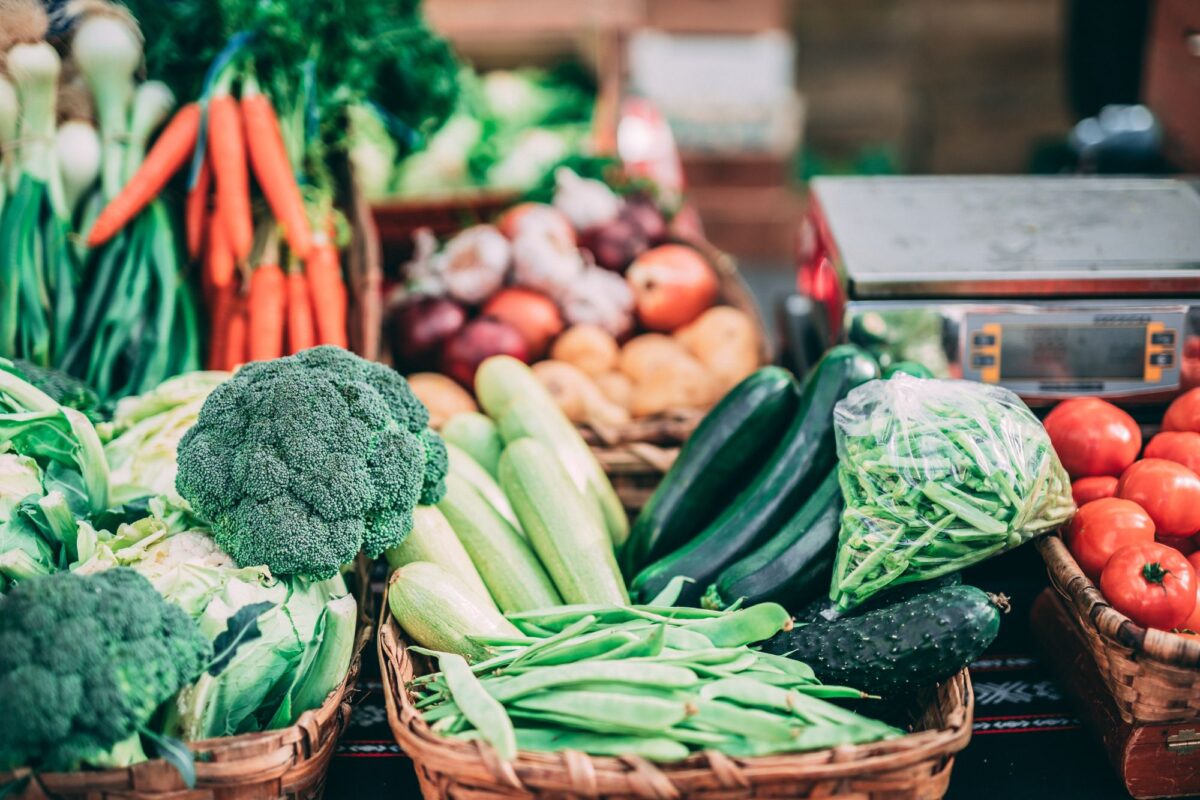
Fibre can boost your body's digestive process
One of the most important benefits of fibre is its ability to promote regular bowel movements and prevent constipation. It does this by adding bulk to the stool, which helps to keep the digestive tract moving smoothly. This can also help to reduce the risk of colon cancer and other diseases of the digestive system.
Fibre also helps to control blood sugar levels by slowing the absorption of carbohydrates. This is particularly important for people with diabetes, as it can help to keep blood sugar levels stable and prevent spikes.
Fibre is also beneficial for weight management. Because it is not digested, it adds bulk to the diet without adding calories. This can help to make you feel full and satisfied, which can lead to eating less and losing weight.
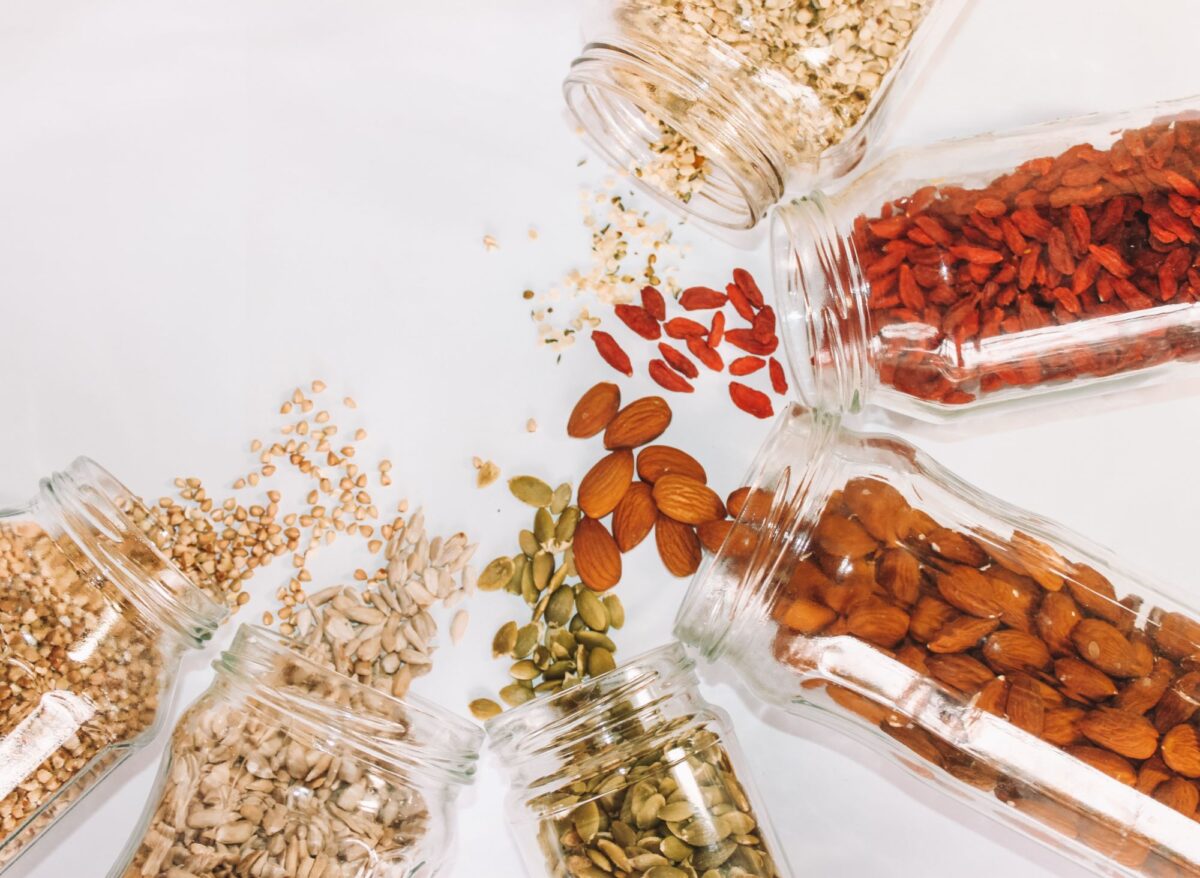
They can lower blood pressure and cholesterol levels
Fibre also has many benefits for heart health. It can help to lower cholesterol levels, which can reduce the risk of heart disease. It can also help to lower blood pressure, which is another risk factor for heart disease.
Finally, fibre is important for overall health and well-being. It can help to boost the immune system, reduce inflammation, and promote healthy skin and hair.
To get enough fibre in your diet, it is important to eat a variety of fruits, vegetables, whole grains, and legumes. Aim for at least 25-30 grams of fibre per day.
Which plants are especially high in fibre?
Some plants that are high in dietary fibre include:
- Legumes (peas, beans, lentils)
- Whole grains (oats, barley, brown rice)
- Nuts and seeds (almonds, chia seeds, flaxseeds, Psyllium husks)
- Fruits and vegetables (apples, carrots, broccoli, avocados)
- Root vegetables (sweet potatoes, turnips, yams)
Uncover the strongest of them all …
Psyllium fibre!
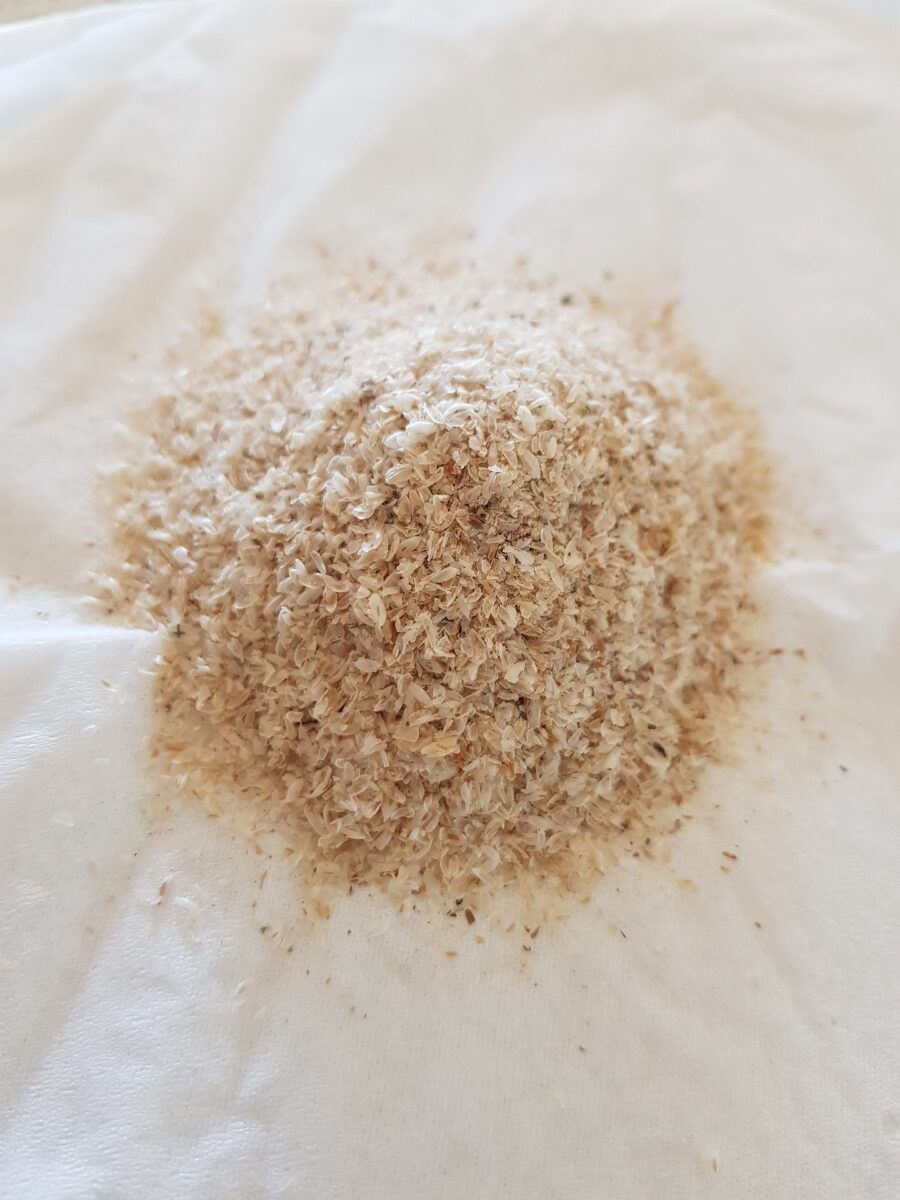
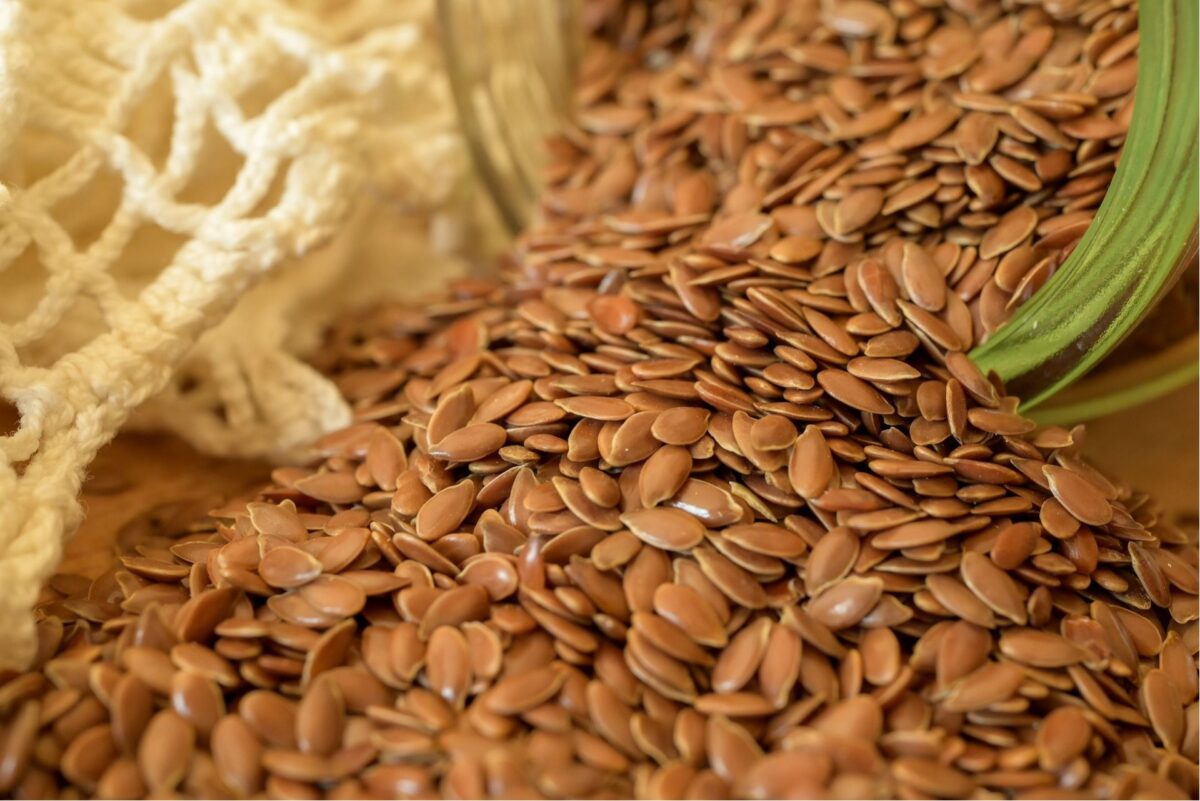
Which you can find in the Viva La Gaia store along with flax seeds. Psyllium husk is a type of dietary fibre that comes from the outer coating of the seeds of the Plantago ovata plant. It is commonly used as a natural laxative and to relieve constipation. It can also be used to lower cholesterol and blood sugar levels and may help with weight loss by promoting a feeling of fullness. It is important to note that these are just examples, many fruits, vegetables, and legumes contain high levels of dietary fibres. Eating a variety of plant-based foods can help ensure an adequate intake of dietary fibre.
In conclusion, fibre is an essential nutrient that plays a crucial role in maintaining overall health and well-being. It promotes regular bowel movements, controls blood sugar levels, aids in weight management, promotes heart health and boosts overall health. Incorporating a variety of fruits, vegetables, whole grains, and legumes in your diet can provide your body with the recommended daily intake of fibre.


Celtic Sea Salt Fine Dry
- Popular finishing salt in cooking and baking!
- A unique, light grey colour and characteristic taste!
- Moist and crumbly texture!
- Containing more than 80 trace minerals!
- Traditionally harvested from the coastal regions of Brittany!
- Fine salt
Uncover Celtic mystery. "Sel de Guerande" - traditionally harvested salt from Brittany, France.Try our celtic sea salt...

Gummies Turmeric and Ginger
- Natural source of antioxidants and anti-inflammatory substances.
- Natural botanical extracts traditionally used to support skin, joint and gut health.
- Satisfy your taste buds and reap the myriad benefits of turmeric and ginger.
- Suitable for vegans.
- Excellent peach taste, without artificial flavours and colours.
Indulge in a burst of flavour and wellness with gummies that contain 495 mg of turmeric and 250 mg of ginger per serving. Try it, whether you are men or woman.Oh, yes. Try it yourself. Content/Usage: 60 gummies/1 per day


Hawaii Salt Alea Gold Red
- Premium quality salt!
- Unique and rich flavor!
- High in mineral content (from the volcanic soil)!
- For the final touch of culinary masterpieces!
- Only for true gourmets!
Discover how wild tastes like. Extracted from the coast of the Pacific Ocean and mixed with iron-rich volcanic red Alaea earth, which gives the salt its red colour.Try our mystical red clay salt...


Hawaii Salt Lava Black
- Premium quality salt!
- Unique and rich flavor!
- High in mineral content (from the volcanic soil)!
- For the final touch of culinary masterpieces!
- Only for true gourmets!
Our special salt from Hawaii. Extracted from the coast of the Pacific Ocean and mixed with pure activated carbon from lava rocks.Hm, is this the magical dust of Earth?


Himalayan Crystal Salt Pink Fine
- A unique and rich flavour - a result of the high mineral content!
- Distinctive pink colour due to the presence of iron, magnesium, and trace minerals!
- Precious salt used as a finishing salt!
- Popular in cooking and baking
- Fine salt
Bring sacredness into your home. The salt of the salts from Tibetan high plains!Try our Himalayan Crystal pink salt.


Himalayan Crystal Salt Pink Granulate
- A unique and rich flavour - a result of the high mineral content!
- Distinctive pink colour due to the presence of iron, magnesium, and trace minerals!
- Precious salt, used as a finishing salt!
- Popular in cooking and baking
- Granulated salt
Bring sacredness into your home. The salt of the salts from Tibetan high plains!Try our Himalayan Crystal pink salt.
Is there a difference between refined table salt and unrefined salt?


SCRUB STRAWBERRY
- Effective, moisturizing, cleaning, and nourishing
- An eco-friendly alternative to liquid body and hair care products!
- A natural and sustainable option for body care cosmetics!
- A travel-friendly option – no spill, no leak, less space needed!
- Long-lasting, money-saving option!
Only a true diva can dream up such a fabulous fruit whose seeds help fight cellulite.Discover pure prestige!
