

Saffron is a spice derived from the dried stigma of the Crocus sativus flower and is one of the most expensive spices in the world due to the labor-intensive process of harvesting the delicate threads. Saffron has been used for centuries not only as a flavouring agent but also for its potential health benefits. Let's have a closer look at some of the potential benefits of saffron.
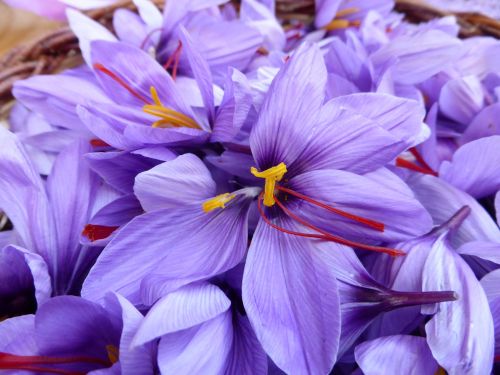
Saffron flower pistils are used as a spice and medicinal herb.
Saffron contains active substances such as crocin, which gives it its red colour and offers antioxidant properties, and picrocrocin, responsible for its bitter taste and a precursor to the aromatic compound safranal. Safranal provides saffron with its sweet, floral aroma, especially when saffron threads are crushed or steeped in warm liquid. Additionally, crocetin, a carotenoid compound, contributes to saffron's orange-yellow colour and possesses antioxidant properties. These active compounds collectively make saffron highly valued as a spice, adding both flavour and colour to various culinary dishes. In the rest of the blog, let's look at its medicinal properties.
Mood enhancement
Saffron has been traditionally used as a mood enhancer and has been studied for its potential antidepressant effects. Some research suggests that saffron may help improve symptoms of mild to moderate depression and reduce mood swings. It is thought to influence the levels of certain neurotransmitters in the brain.
Cognitive function
Some studies suggest that saffron may have a positive impact on cognitive function and memory. It may help improve learning and memory skills, although more research is needed in this area.

Saffron is not just the world's most expensive seasoning, but an herb with many healing properties.
Antioxidant and anti-inflammatory properties
Saffron contains a variety of antioxidants, including crocin, crocetin, and safranal, which help neutralize harmful free radicals in the body. These antioxidants may protect cells from oxidative stress and damage. This way antioxidants reduces also inflammation in the body. Chronic inflammation is associated with a wide range of health issues, including chronic diseases. The anti-inflammatory effects of saffron`s antioxidants can help reduce inflammation processes.
Eye health
Saffron contains compounds (crocin, crocetin, and safranal) that may benefit eye health. It has been studied for its potential in preventing and treating age-related macular degeneration, a leading cause of vision loss in older adults.
PMS and menstrual discomfort
Saffron has been investigated for its potential to alleviate symptoms of premenstrual syndrome (PMS) and menstrual discomfort. It may help reduce mood swings, irritability, and physical symptoms associated with menstruation.
Weight management
Saffron has been studied for its potential role in appetite regulation and weight management. Some findings suggest that saffron may help reduce snacking and curb appetite.
Heart health
Saffron may contribute to heart health by reducing risk factors such as high blood pressure and cholesterol levels. Its antioxidant properties may also protect against heart disease. The active substances involved are crocin and crocetin, known for their antioxidant properties that counteract oxidative stress and inflammation, both of which contribute to heart diseases. Furthermore, saffron's anti-inflammatory effects are believed to help reduce inflammation in blood vessels, improving cardiovascular health. Studies also suggest that saffron may aid in blood pressure regulation by dilating blood vessels, leading to improved blood flow and reduced resistance in arteries. Additionally, saffron may positively impact cholesterol levels by reducing total cholesterol, LDL cholesterol, and triglycerides, while increasing HDL cholesterol, thereby creating a healthier cardiovascular profile. Furthermore, saffron's ability to improve blood flow and inhibit arterial plaque formation adds to its potential cardiovascular benefits.

From mood enhancement to cognitive function, antioxidant prowess to eye health the golden threads of saffron weave a tapestry of health benefits.
Anti-cancer properties
Some laboratory studies have suggested that saffron extracts may have anticancer properties. However, more research is needed to confirm these effects and understand their mechanisms.
Like all natural remedies, spices and herbs, saffron should be used in moderation and prescribed dosages, as it is a potent spice, and excessive consumption may lead to adverse effects.
Intriguing and valuable, saffron emerges not only as a coveted spice but also as a potential ally in enhancing well-being. From mood enhancement to cognitive function, antioxidant prowess to eye health, and even support in managing various discomforts, the golden threads of saffron weave a tapestry of health benefits. Yet, as with all natural remedies, moderation is key. Saffron's potency calls for responsible usage. As the research on its multifaceted potential continues to unfold, it underscores the importance of harnessing this precious spice with care. So, savor saffron, treasure its offerings, and embrace the journey toward holistic well-being.
Try Viva la Gaia
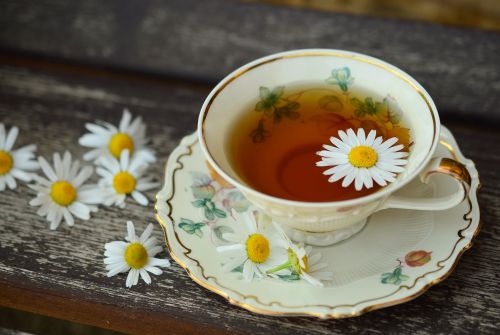
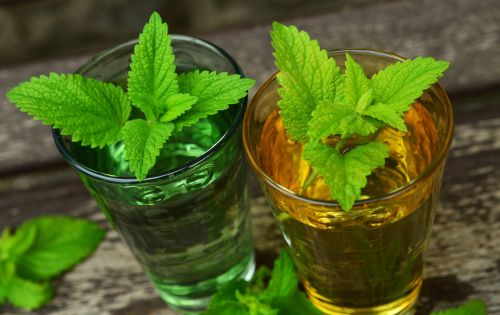
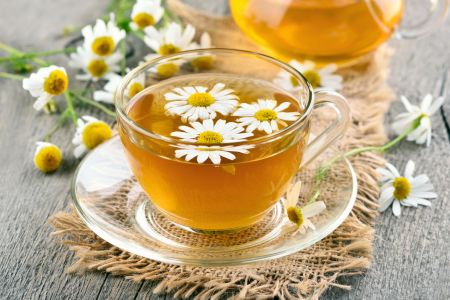
At Viva la Gaia, we have prepared a nutritional supplement for you in the form of tasty gummies for better sleep and relaxation. In addition to vitamins and minerals with a beneficial effect on the nervous system and mood, we added three medicinal herbs to the formulation, lemon balm, chamomile and saffron, which enhance this effect in a natural way.
For women, sleep problems can also be regulated with a nutritional supplement designed to alleviate problems during menopause. In addition to vitamins and minerals, a variety of carefully selected medicinal herbs are added to the tasty gummies. Vegan gummies contain evening primrose oil, sea buckthorn fruit extract, sage, red clover, cranberry and ginkgo biloba.

Gummies Turmeric and Ginger
- Natural source of antioxidants and anti-inflammatory substances.
- Natural botanical extracts traditionally used to support skin, joint and gut health.
- Satisfy your taste buds and reap the myriad benefits of turmeric and ginger.
- Suitable for vegans.
- Excellent peach taste, without artificial flavours and colours.
Indulge in a burst of flavour and wellness with gummies that contain 495 mg of turmeric and 250 mg of ginger per serving. Try it, whether you are men or woman.Oh, yes. Try it yourself. Content/Usage: 60 gummies/1 per day


Celtic Sea Salt Fine Dry
- Popular finishing salt in cooking and baking!
- A unique, light grey colour and characteristic taste!
- Moist and crumbly texture!
- Containing more than 80 trace minerals!
- Traditionally harvested from the coastal regions of Brittany!
- Fine salt
Uncover Celtic mystery. "Sel de Guerande" - traditionally harvested salt from Brittany, France.Try our celtic sea salt...
Gummies Turmeric and Ginger
- Natural source of antioxidants and anti-inflammatory substances.
- Natural botanical extracts traditionally used to support skin, joint and gut health.
- Satisfy your taste buds and reap the myriad benefits of turmeric and ginger.
- Suitable for vegans.
- Excellent peach taste, without artificial flavours and colours.
Indulge in a burst of flavour and wellness with gummies that contain 495 mg of turmeric and 250 mg of ginger per serving. Try it, whether you are men or woman.Oh, yes. Try it yourself. Content/Usage: 60 gummies/1 per day


Hawaii Salt Alea Gold Red
- Premium quality salt!
- Unique and rich flavor!
- High in mineral content (from the volcanic soil)!
- For the final touch of culinary masterpieces!
- Only for true gourmets!
Discover how wild tastes like. Extracted from the coast of the Pacific Ocean and mixed with iron-rich volcanic red Alaea earth, which gives the salt its red colour.Try our mystical red clay salt...


Hawaii Salt Lava Black
- Premium quality salt!
- Unique and rich flavor!
- High in mineral content (from the volcanic soil)!
- For the final touch of culinary masterpieces!
- Only for true gourmets!
Our special salt from Hawaii. Extracted from the coast of the Pacific Ocean and mixed with pure activated carbon from lava rocks.Hm, is this the magical dust of Earth?


Himalayan Crystal Salt Pink Fine
- A unique and rich flavour - a result of the high mineral content!
- Distinctive pink colour due to the presence of iron, magnesium, and trace minerals!
- Precious salt used as a finishing salt!
- Popular in cooking and baking
- Fine salt
Bring sacredness into your home. The salt of the salts from Tibetan high plains!Try our Himalayan Crystal pink salt.


Himalayan Crystal Salt Pink Granulate
- A unique and rich flavour - a result of the high mineral content!
- Distinctive pink colour due to the presence of iron, magnesium, and trace minerals!
- Precious salt, used as a finishing salt!
- Popular in cooking and baking
- Granulated salt
Bring sacredness into your home. The salt of the salts from Tibetan high plains!Try our Himalayan Crystal pink salt.
Is there a difference between refined table salt and unrefined salt?


SCRUB STRAWBERRY
- Effective, moisturizing, cleaning, and nourishing
- An eco-friendly alternative to liquid body and hair care products!
- A natural and sustainable option for body care cosmetics!
- A travel-friendly option – no spill, no leak, less space needed!
- Long-lasting, money-saving option!
Only a true diva can dream up such a fabulous fruit whose seeds help fight cellulite.Discover pure prestige!